The Bambu Lab P1S can appeal when the goal is making useful objects rather than making printer setup the main hobby. Its enclosure and integrated workflow belong in the comparison. So do the costs that arrive after the box.
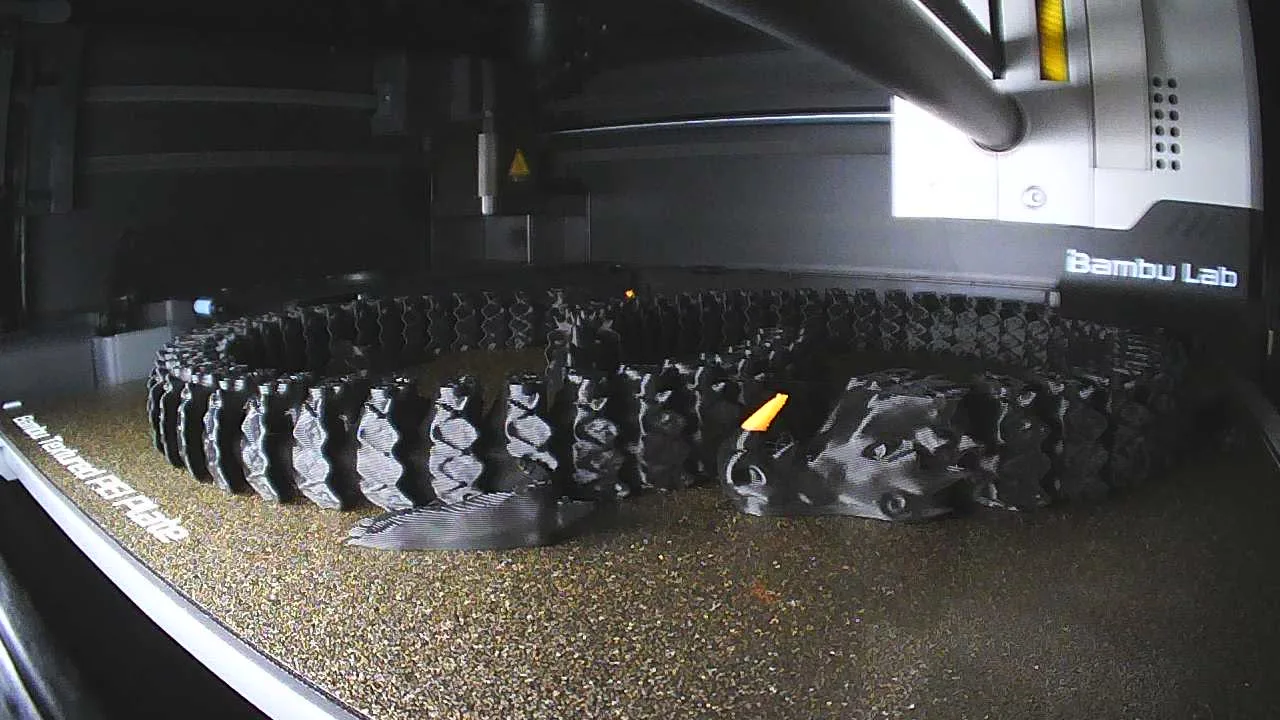
This is a research-based guide using manufacturer documentation, not a hands-on test. We have not measured quality, reliability, noise, or speed. The pictured print comes from attributed third-party footage.
What the hardware documents establish
The P1S specification sheet lists a nominal 256 × 256 × 256 mm build volume, all-metal hotend, and stock 0.4 mm stainless-steel nozzle. Bambu's product page describes the enclosed body and its multi-material options.
Volume is a starting specification, not a promise that every object of those dimensions works in every orientation. Supports, clearance, material behavior, and slicing settings affect the job. Check the design in the slicer before assuming it fits.
Choose three real projects first
List objects you would actually make: a drawer insert, cable holder, or non-critical replacement bracket. Find files or sketch dimensions, then inspect required materials and estimated print time.
That reveals whether an enclosure, a specific polymer, or multi-color printing solves your problem. Our view: buy around repeatable uses rather than the most impressive demonstration. An attractive printer should not need to invent a hobby for you.
Treat the AMS as a workflow decision
A multi-material system can make color changes convenient. It also adds cost and compatibility checks. Confirm the exact AMS model, adapters, firmware requirements, and bundle contents offered in your region.
Look at the slicer's estimates for purge waste and time on a multi-color job. Filament used during color changes may never become part of the object. Decide whether that capability matters to your projects; a functional organizer may not need it.
Check the entire material path
Bambu's compatibility guidance cautions against directly using fiber-reinforced filament in the stock setup before appropriate hotend and extruder upgrades. An enclosure does not make every engineering material suitable.
Verify nozzle, extruder, temperature, build-surface, and feeding requirements for the exact filament. Printer compatibility does not establish AMS compatibility. Follow equipment and material instructions for drying, handling, and workspace ventilation.
Budget beyond the machine
Include delivered price, filament, storage or drying needs, wear parts, and a stable working surface. Reserve material for failed prototypes. For a print-selling business, include labor, packaging, design rights, and returns before calling the machine profitable.
Use current retailer totals. This guide does not promise the lowest price or rank the P1S against every newer printer.
Who should shortlist it
Consider it for an enclosed workflow and projects within its documented limits. Compare alternatives if you need much larger parts, specialized materials, or unlisted capabilities.
The useful decision is whether it simplifies your intended work at a total cost you accept. Reconfirm specifications and bundle compatibility before purchase; published features do not establish real-world performance on your files.