Heat pumps can provide heating and cooling with one system. The useful conversation starts after that headline: which equipment, installed how, in which home?
Cold-weather capability has widened the range of homes where air-source systems can be considered. It does not make every quote equally suitable or establish a guaranteed saving at your address.
Understand the basic change
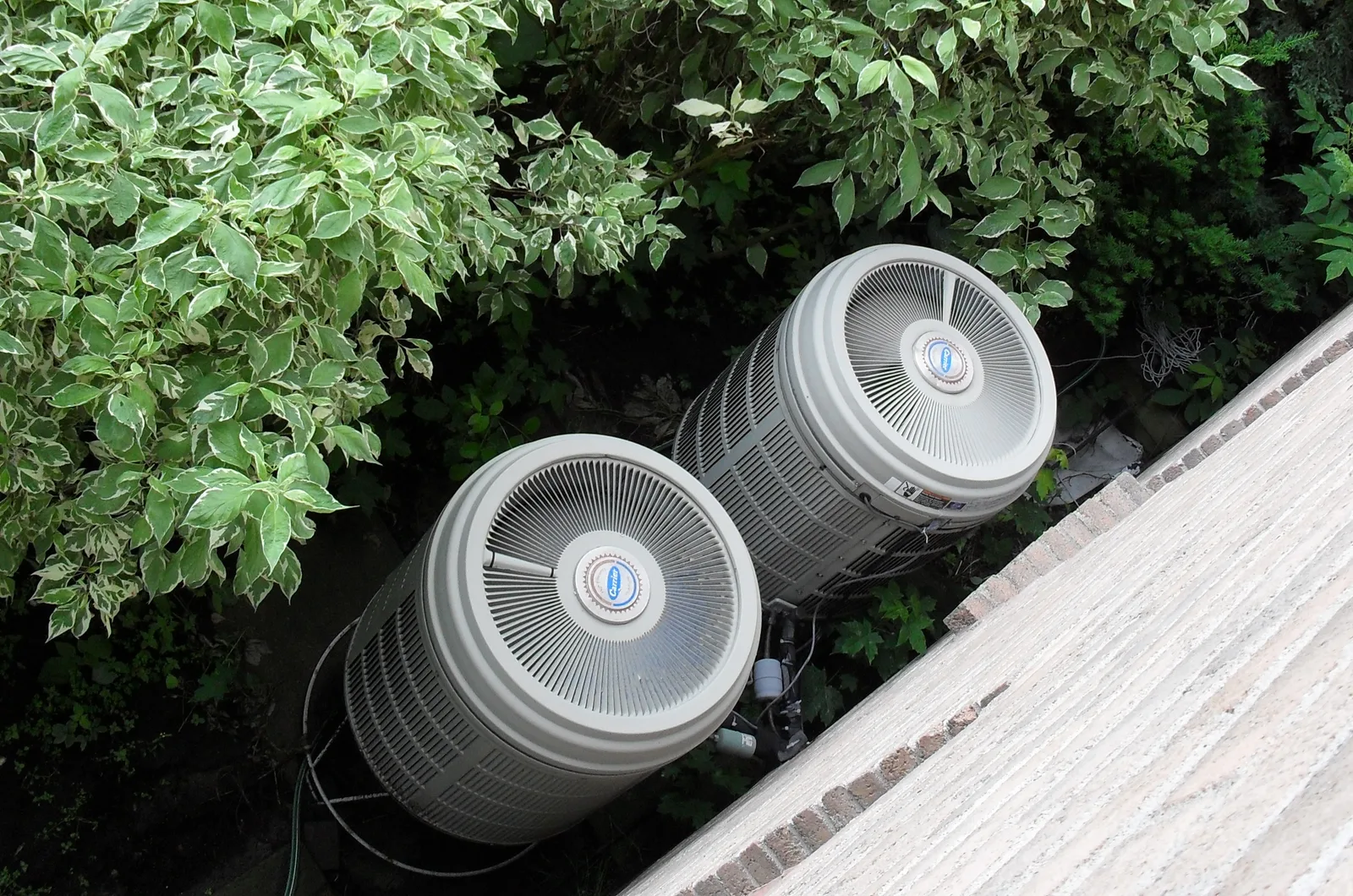
The Department of Energy's overview explains that heat pumps move heat rather than producing all of it through resistance heating. An air-source system exchanges heat with outdoor air and can reverse operation for cooling.
Under suitable conditions, that can require less electricity than resistance heating for the same task. Comparing with another fuel still depends on equipment, climate, rates, and operation. A percentage in advertising is not your household's utility forecast.
Ask about the coldest relevant days
ENERGY STAR's guidance distinguishes cold-climate models and recommends equipment suited to the home and climate. Ask how the proposed model's low-temperature capacity matches local design conditions.
Is backup heat included? When would it operate? How do the controls choose a heat source? These answers make comfort and running costs easier to evaluate. The label on the outdoor unit is not the entire design.
Insist on sizing for the home
DOE's sizing resource stresses determining heating and cooling loads. Ask what calculation supports the proposed capacity. The old furnace's size is not, by itself, evidence that a replacement is appropriately sized.
Discuss room-to-room distribution too. Ask how ducts, proposed indoor heads, insulation, and air leakage enter the plan. Total capacity and a comfortable bedroom are related questions, but they are not identical.
Put quotes on the same page
Our suggested comparison has four groups:
- Equipment: exact outdoor and indoor models, capacity, and controls.
- Installation: electrical work, ducts, permits, mounting, and old-system removal.
- Running costs: energy-estimate assumptions, maintenance, and filters.
- Support: manufacturer warranty conditions, workmanship coverage, and service arrangements.
If one quote excludes electrical work and another includes it, the totals describe different purchases. Have exclusions priced or explained before comparing the bottom lines. Also ask who takes responsibility if the installed system does not perform as designed.
Keep incentives conditional
Rebates and tax credits change, and eligibility can depend on dates, location, equipment, and household circumstances. This guide does not quote a credit amount or promise eligibility. Verify any program directly with its administering agency before signing.
Compare the gross price alongside conditional incentives. An approval you have not received should remain conditional in the budget. Keep the documents the program requires.
Count comfort as well as payback
Cooling, replacing aging equipment, and improving room comfort may have value even when financial payback is uncertain. Name those benefits separately so a weak savings estimate does not carry the whole decision.
Our view is to evaluate the design and service relationship as carefully as the machine. This consumer explainer is not an engineering design or an installation recommendation for your home.